Pants for hiking: how to choose the right gear for your next trip
It's easy to overlook hiking pants when you're planning a trip — most of the attention goes to boots, packs, and jackets. But the right pants for hiking can make or break your comfort on the trail, especially when the weather turns or the terrain gets rough. Here's what to look for before you buy.

Why the right hiking pants actually matter
Cheap or ill-fitting hiking pants tend to fail exactly when you need them most — chafing on long days, soaking through in light rain, or restricting movement on steep, technical terrain. Quality pants for hiking are built with stretch fabrics, reinforced knees, and ventilation features that hold up to real trail conditions, not just a walk around the block.
Fit matters just as much as fabric. A good pair should move with your body on scrambles and river crossings, without bunching up or riding down under a hip belt. We stock a wide range of men's options in our men's trousers and shorts collection, covering everything from lightweight three-season pants to heavier-duty trekking trousers.
Understanding fabric types
Fabric choice is one of the biggest factors separating a good pair of hiking pants from a mediocre one. Ripstop nylon is lightweight and resists tearing, making it a solid choice for warm-weather trips where breathability matters most. Softshell fabrics add a bit more insulation and wind resistance, useful for cooler, changeable conditions without the bulk of a full waterproof layer. Then there are treated fabrics like G-1000, a waxed polyester-cotton blend used in trousers like the Fjällräven Keb, which offers genuine wind and water resistance while still breathing well — and can be re-waxed over time to refresh its weatherproofing as it wears in.
Stretch panelling is often blended into these fabrics at the knees, seat, or side seams to add flexibility without sacrificing durability where it matters most. The right combination of fabric types depends entirely on where and when you're hiking — a three-season trip in mild conditions calls for something very different to an exposed alpine trek.

What to look for in a quality pair of hiking trousers
Not all hiking pants are built the same, and the features that matter will depend on where you're headed. Here's what we recommend checking before you buy:
- Stretch fabric or articulated knees for freedom of movement on scrambles, high steps, and river crossings
- Ventilation zips along the thigh or calf to regulate temperature on demanding climbs
- Reinforced fabric in high-wear areas like the knees and seat, which extends the life of the pants significantly
- A gusseted crotch, which reduces strain on seams and improves range of motion
- Weight and fabric density — heavier pants for hiking offer more durability and abrasion resistance, while lighter options prioritise pack weight and breathability
- Water resistance or a DWR (durable water repellent) coating, which sheds light rain and morning dew without needing a full waterproof overlayer
- Pocket placement and knee pad compatibility, useful for trips involving kneeling, scrambling, or cold-weather layering
It's worth thinking about convertible options too. Zip-off hiking pants that convert to shorts are a practical choice for trips where conditions and temperature shift throughout the day, saving you from packing a separate pair of shorts altogether.
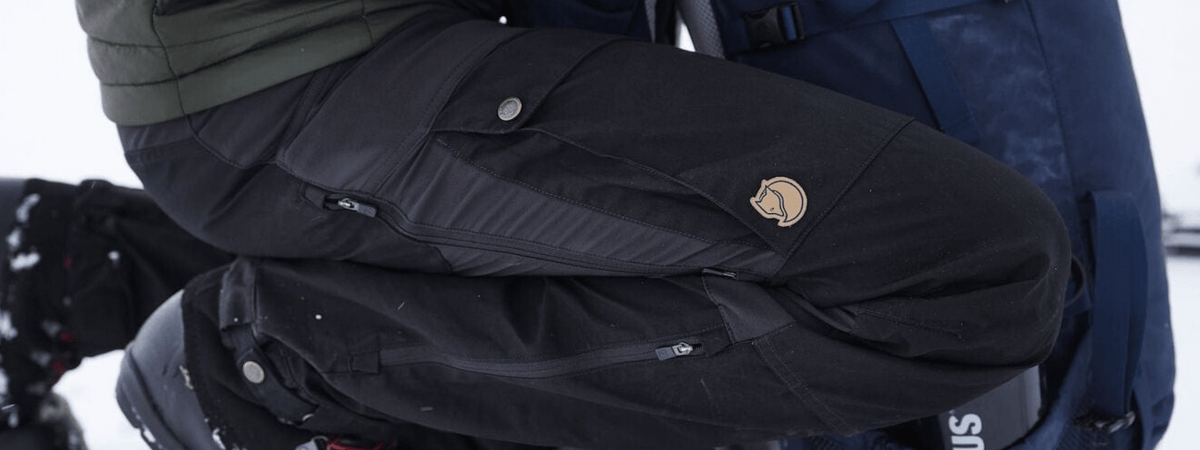
Take the Fjällräven Keb trousers as an example. They combine a durable, weather-resistant G-1000 fabric with stretch panelling for genuine freedom of movement, plus two-way ventilation zippers along the legs for regulating temperature on demanding climbs. The design also includes spacious pockets and openings built for optional knee pads, catering to hikers who need extra protection on rough or rocky terrain. Details like these are exactly why hikers keep coming back to trusted, purpose-built hiking pants instead of settling for whatever's in the wardrobe. We've unpacked what makes this brand stand out in our guide, why hikers trust Fjällräven hiking pants.

Matching your pants to the season and terrain
The best hiking pants for a summer coastal walk look nothing like the best pants for an alpine winter trek, so it pays to think about conditions before you buy. For warm, dry conditions, lightweight ripstop fabrics with good breathability will keep you comfortable without overheating. For cooler or unpredictable weather, a softshell or treated fabric like G-1000 adds wind and water resistance without needing a separate rain layer for light showers. In genuinely wet or freezing conditions, we'd recommend layering thermal base layers underneath a weather-resistant outer trouser, rather than relying on a single heavyweight pair to do everything.
Terrain matters too. If you're regularly off-track, bushwhacking, or scrambling over rock, reinforced fabric and articulated knees will hold up far better than a standard cut. For well-maintained trails and day walks, a lighter, more breathable pair will usually serve you better and keep you cooler over long distances.
Choosing the right fit for men
Men's hiking pants vary widely in cut, rise, and leg shape, and getting this right affects everything from comfort under a pack to how well the pants perform on technical terrain. Whether you're after a slim, technical fit or a more relaxed cut for everyday trail use, we've broken down exactly what to consider in our guide to men's trekking pants and hiking trousers, covering fabric weight, fit, and features side by side.
Choosing the right fit for women
Women's pants for hiking need the same durability and weather protection as men's, but fit and cut are just as important for comfort over long distances. We stock a dedicated range in our women's trekking pants collection, and we've tested a handful of standout options to save you the guesswork. Read the results in our guide, tried and tested: our 3 best trekking pants for women.

Why shop with us at PAST Outdoors
We're a family-owned Australian outdoor retailer with a genuine passion for helping people get outdoors properly kitted out. Our team tests and uses the gear we sell, so when we recommend a pair of hiking pants, it's because we trust them ourselves on real trails, not just because they're on the shelf. We're proud to stock trusted brands like Fjällräven, and back every purchase with honest advice from people who actually spend time outdoors.
Thousands of hikers across Australia have trusted us to kit them out for everything from weekend day walks to serious multi-day treks, and our customers keep coming back because we get the details right — from fit advice to genuine product knowledge. If you're ready to find the right pants for hiking your next trip, browse our full range today or reach out to our team for personalised recommendations. We're here to help you stay comfortable, whatever the trail throws at you.
Frequently asked questions
What should I look for in a good pair of hiking pants?
Look for stretch fabric for movement, ventilation zips for temperature control, and reinforced fabric in high-wear areas like the knees and seat. Fit and fabric weight should match the trip you're planning.
Can I wear the same hiking pants in summer and winter?
Some trousers, like the Fjällräven Keb, are designed with ventilation zips and layering options that make them versatile across seasons, but lighter dedicated summer pants may still be more comfortable in hot conditions.
Do women's hiking pants fit differently to men's?
Yes, women's hiking pants are typically cut with a different rise, hip, and leg shape for a better fit. We recommend trying a style designed specifically for women rather than sizing down in a men's cut.

Leave a comment
This site is protected by hCaptcha and the hCaptcha Privacy Policy and Terms of Service apply.