
Sleeping mats for camping: R-value, comfort, and what to look for
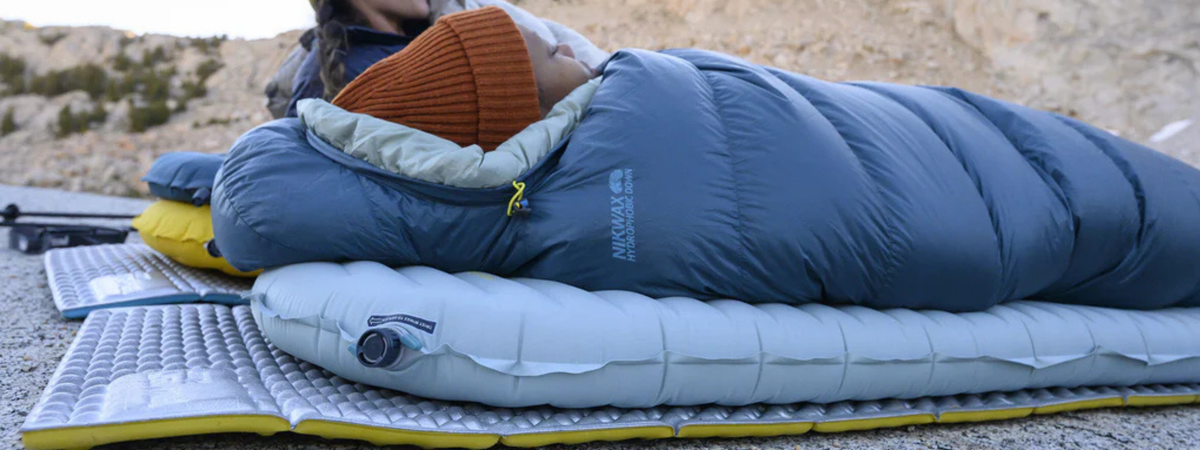
It's easy to spend all your budget on a great sleeping bag and treat the mat underneath as an afterthought. That's a mistake. Sleeping mats for camping do more than just add cushioning — they're responsible for stopping the ground from stealing your body heat all night long. Here's what actually matters when choosing one, from R-value to comfort and everything in between.

Why R-value is the most important number on the label for sleeping mats camping
R-value measures a mat's resistance to heat flow — in plain terms, how well it stops your body heat escaping into the ground beneath you. The higher the R-value, the warmer the mat. This matters more than people expect, because a huge amount of heat loss overnight happens through direct contact with the ground rather than through the air around you.
As a rough guide, mats with an R-value under 2 suit mild summer conditions, R-values between 2 and 4 cover most three-season camping, and anything above 4 is built for cold, alpine, or winter conditions. At the top end of our range, the Exped Ultra 10R carries an R-value of 10.2, making it one of the warmest mats we stock and a genuine option for extreme cold-weather adventures. If you want a deeper technical breakdown, we've covered it in our guide, sleeping pads for camping.

Sleeping mats for camping: comfort matters just as much as warmth
A high R-value means nothing if you can't actually sleep on the mat. Thickness, shape, and construction all play a role in comfort, and this is where inflatable mats have really evolved over the past decade. Features like raised side rails, baffled air chambers, and proper mat thickness all contribute to a genuinely stable, supportive sleep surface rather than something that feels like a pool toy.
The Sea to Summit Ether Light XR Pro is a great example of this in practice. Its Air Sprung Cell construction delivers 10cm of genuinely plush comfort, while an integrated XPRESS valve and pumpsack make inflation and adjustment simple rather than a wrestling match at the end of a long day. With an R-value of 7.4, it also holds up well in genuinely cold conditions, making it a strong all-rounder for hikers who don't want to compromise on comfort to save weight.
We've directly compared a range of mats side by side in our guide, sleeping mat comparisons, if you want to see how different options stack up.

Weight and packed size for hikers who count grams
For hikers, the trade-off between warmth, comfort, and weight is where the real decision-making happens. The Exped Ultra 10R manages to pack an R-value of 10.2 into a mat weighing just 615 grams, using SYNMAT PLUS technology to combine recycled synthetic fill with reflective foil layers. That's a genuinely impressive warmth-to-weight ratio for a mat built for extreme cold, and it packs down to just 23 x 14cm, small enough to disappear into most packs.
Whether you prioritise the absolute lowest weight or a bit more plush comfort, it's worth checking both the packed size and weight against your other gear before you buy, particularly if you're already running a lightweight kit elsewhere.
Foam vs inflatable: which type of mat is right for you
Beyond R-value and comfort, it's worth understanding the two broad categories of sleeping mats for camping. Inflatable mats, like both options above, generally offer the best warmth-to-weight ratio and pack down small, but rely on an airtight seal to work properly. Foam mats are heavier and bulkier, but they're virtually indestructible and require no inflation, making them a solid backup or budget option. We stock a genuine range of both in our sleeping mats collection, alongside our full inflatable sleeping mats range.
It's also worth remembering that your mat and sleeping bag work as a system, not two separate purchases. We've explained exactly how they work together in our guide, sleeping bag vs sleeping mat.

Why shop with us at PAST Outdoors
We're a family-owned Australian outdoor retailer with a genuine passion for helping people get outdoors properly equipped. Our team tests and uses the gear we sell, so when we recommend a sleeping mat, it's because we trust it ourselves on real trips, not just because it's on the shelf. We're proud to stock trusted brands like Exped and Sea to Summit, and back every purchase with honest advice from people who actually spend time outdoors.
Thousands of hikers and campers across Australia have trusted us to kit them out for everything from weekend getaways to serious alpine expeditions, and our customers keep coming back because we get the details right. If you're ready to find the right sleeping mat for your next trip, browse our full range online today, or reach out to our team for personalised recommendations. We're here to help you sleep well, wherever the trail takes you.
Frequently asked questions
What R-value do I actually need for camping in Australia?
For most three-season Australian camping, an R-value between 2 and 4 is sufficient. For alpine trips or winter camping in colder regions, look for an R-value of 5 or higher for genuine warmth and peace of mind.
Is an inflatable mat or a foam mat better for camping?
Inflatable mats generally offer better warmth-to-weight and pack down smaller, making them ideal for hiking. Foam mats are heavier but virtually indestructible and need no inflation, making them a reliable backup or budget option.
Does a higher R-value always mean a heavier mat?
Not necessarily. Modern insulation technologies, like the reflective foil layers used in the Exped Ultra 10R, allow for high R-values without a significant weight penalty, though there are always some trade-offs between warmth, weight, and cost.

Leave a comment
This site is protected by hCaptcha and the hCaptcha Privacy Policy and Terms of Service apply.