
The ultimate guide to ultralight gear: how to choose your kit
Every extra kilogram in your pack adds up over a long day on the trail. That's the whole idea behind ultralight gear — choosing equipment that does its job well without carrying weight you don't need. Whether you're planning your first multi-day hike or looking to shave kilos off an existing setup, here's how to build a genuinely lighter kit without sacrificing comfort or safety.

Why ultralight gear actually matters on the trail
Carrying less weight isn't just about comfort, though your shoulders and knees will certainly thank you. A lighter pack means less fatigue over long distances, faster recovery between days on multi-day trips, and more energy left for the parts of the trip that actually matter — the views, the campsite, the conversation. It also reduces the physical strain that leads to overuse injuries, which is a big reason experienced hikers gradually shift their whole kit toward lighter options over time.
There's a genuine safety angle too. A lighter, well-balanced pack is easier to move quickly with if conditions change, and less likely to throw off your balance on technical terrain. For anyone tackling ultralight gear in Australia, where trail conditions can shift quickly from exposed ridgelines to humid coastal tracks, having a kit you can move efficiently in matters just as much as staying comfortable.
We've put together a full breakdown of the principles behind this approach in our guide, the ultimate guide to ultralight backpacking, which covers how to prioritise your gear list without cutting corners on safety.

Building your ultralight kit, piece by piece
Rather than trying to overhaul everything at once, it helps to work through your kit category by category, starting with the heaviest items first since that's where the biggest weight savings usually come from.
Your pack: the foundation of a lighter kit
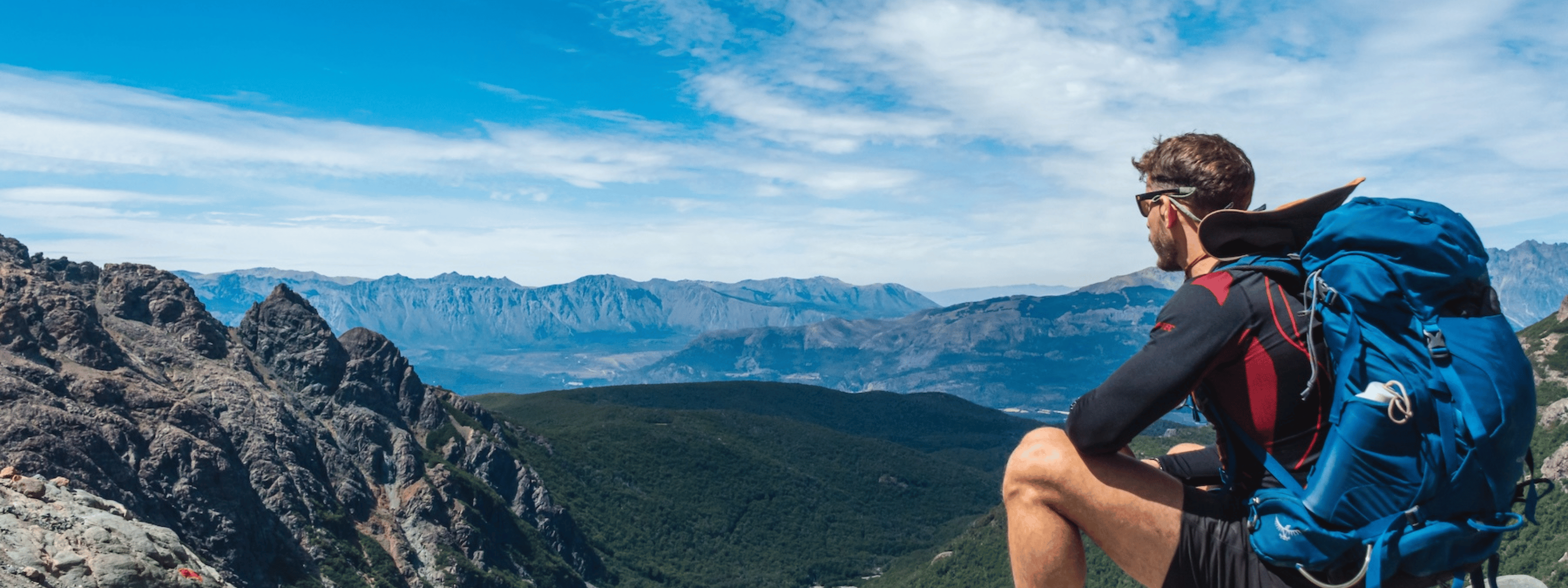
Your backpack sets the tone for everything else. A pack like the Osprey Exos 58 is built specifically around ultralight principles, using a minimal frame and lightweight fabrics without compromising on the support you need for multi-day loads. For shorter trips or as a packable extra, something like the Sea to Summit Ultra-Sil Day Pack folds down small enough to stash inside your main pack, giving you flexibility without adding meaningful weight.
If you're still working out how pack choice fits into your broader kit, we've covered it in detail in our guide, the ultimate guide to ultralight pack.
Sleep system: where the grams really add up
Your sleeping bag and mat are often the heaviest single items in a pack after your tent, which makes them a priority when trimming weight. The Sea to Summit Spark Down Sleeping Bag uses premium down fill to deliver serious warmth for very little weight, while a pad like the Therm-A-Rest NeoAir Xlite NXT keeps insulation and comfort high without the bulk of older foam designs. Pairing a lightweight bag with the right mat is one of the most effective ways to cut kilos from your overall setup.

Shelter, seating, and the small stuff
Shelter is another area where small design choices make a big difference. Pyramid-style tents like the Mont Hypermid 2 use a minimal single-pole design to cut weight compared to traditional dome tents, while still offering genuine protection from the elements. Even smaller items matter here — a compact seat pad like the Therm-A-Rest Z Seat SOL weighs next to nothing but adds real comfort at camp without the bulk of a full camping chair.
If a proper chair is still on your list for basecamp comfort, we've reviewed some lighter options in our guide to foldable camping chairs that won't weigh you down.
Cooking and accessories: the easy wins
Small items are often the easiest place to save weight without any real trade-off. A compact stove like the MSR PocketRocket 2 delivers reliable performance at a fraction of the weight of older stove designs, while a titanium spork or an ultralight Nalgene bottle shaves grams without sacrificing function. None of these swaps feel dramatic on their own, but stacked together across your whole kit, they add up to a genuinely lighter pack.

Why shop with us at PAST Outdoors
We're a family-owned Australian outdoor retailer with a genuine passion for helping people get out on the trail properly, and lightly, equipped. Our team tests and uses the gear we sell, so when we curate our ultralight range, it's based on real trail experience, not just spec sheets. We're proud to stock trusted brands that specialise in ultralight gear in Australia, backing every purchase with honest advice from people who actually spend time outdoors.
Thousands of hikers and campers across Australia have trusted us to kit them out for everything from weekend day walks to serious multi-day treks, and our customers keep coming back because we get the details right. If you're ready to start cutting weight from your kit, browse our full ultralight range today, or reach out to our team for personalised recommendations. We're here to help you carry less and enjoy more.
Frequently asked questions
What's the easiest way to start reducing my pack weight?
Start with your heaviest items first — pack, sleeping bag, mat, and tent typically make up the bulk of your total weight. Swapping these before moving on to smaller accessories delivers the biggest gains.
Does going ultralight mean sacrificing comfort or safety?
Not if it's done thoughtfully. Modern ultralight gear is designed to perform just as well, if not better, than heavier alternatives, using better materials and smarter design rather than simply cutting features.
Is ultralight gear worth it for shorter or beginner hikes?
Absolutely. Even on shorter trips, a lighter pack reduces fatigue and makes hiking more enjoyable, and it's often easier to build good habits with lighter gear from the start rather than upgrading piece by piece later.

Leave a comment
This site is protected by hCaptcha and the hCaptcha Privacy Policy and Terms of Service apply.