

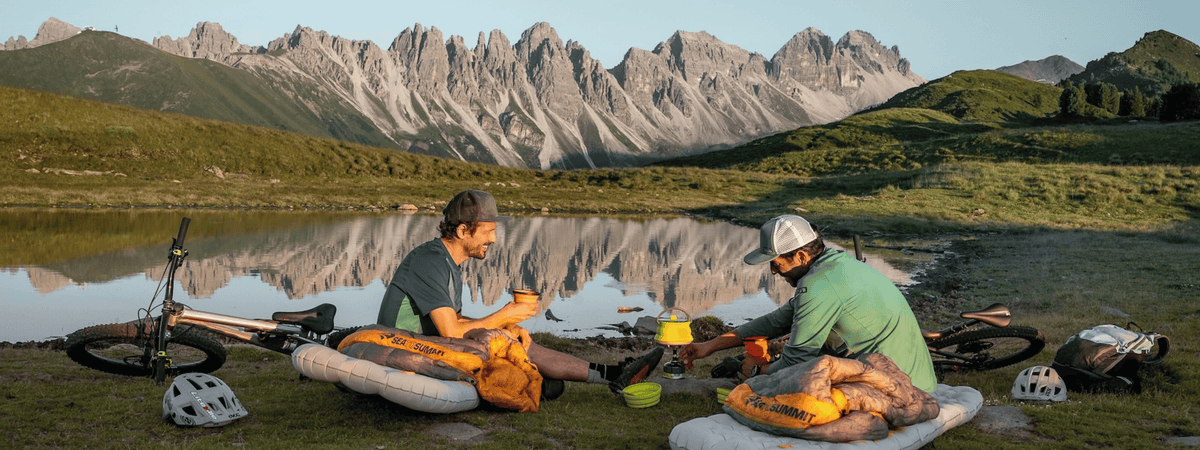
How to wash a sleeping bag
A good sleeping bag is a genuine investment, and knowing how to wash it properly is what protects that investment for years, not just one season. Body oils, dirt, and sweat gradually work their way into the fill over time, reducing loft and warmth if left untreated. The good news is that washing a sleeping bag properly isn't complicated, it just requires a slightly different approach to a regular load of laundry. Here's exactly how to do it right.

How to wash a goose/duck down sleeping bag: step by step
Down bags need a gentler, more deliberate approach than synthetic fill, since down clumps easily when wet and needs careful drying to restore its loft. Here's the process we'd recommend.
- Check the care label first. Always follow the specific instructions on your bag's label, since water temperature and settings can vary slightly between models.
- Turn the bag inside out. The inner liner absorbs the most body oil over time, so turning it inside out lets the wash actually reach the areas that need it most.
- Use a front-loading machine, never a top-loader with an agitator. The central agitator in a standard top-loading machine can snag and tear delicate baffle seams. A front-loader (or a top-loader without an agitator) uses a gentler tumbling action that won't damage the bag.
- Wash with a dedicated down wash, not regular detergent. Standard laundry detergent strips the natural oils from down and can leave a residue that reduces loft. A proper down-specific wash cleans without damaging the fill.
- Run on a cold or gentle cycle, with an extra rinse. This ensures all the soap is properly removed, since leftover residue is one of the biggest causes of down clumping badly after washing.
- Support the bag when wet. A saturated sleeping bag is heavy, and lifting it without support can strain or tear the internal baffles. Carry it with both hands underneath, not by one end.
- Dry on low heat with tennis balls or dryer balls. Add 3-6 clean tennis balls or dedicated dryer balls to the dryer. These break up clumps of down as the bag tumbles, restoring loft as it dries. Never use dryer sheets, as they can damage the down and any water-repellent coating on the shell.
- Be patient. Fully drying a down sleeping bag can take several hours and multiple cycles. Stop periodically to break up any remaining clumps by hand before continuing.

What not to do when you wash a sleeping bag
A few common mistakes are responsible for most of the sleeping bag damage we see, and they're all easy to avoid once you know what to look out for.
- Don't use a top-loading machine with an agitator. It's the single most common cause of torn baffles and damaged seams.
- Don't use regular laundry detergent. The brighteners and fillers in standard detergent stick to down and synthetic fibres alike, reducing loft over time.
- Don't use dryer sheets or fabric softener. Both can compromise the water-repellent finish on the shell and reduce the fill's ability to loft properly.
- Don't rush the drying process. Pulling a bag out while it's still damp inside, even if the outside feels dry, risks mould and mildew developing in storage.
- Don't store your bag compressed. Long-term storage in a tight stuff sack crushes the fill over time and permanently reduces loft. Always store in the large, breathable storage sack most bags come with, never the compact one you use for travel.
How often should you actually wash a sleeping bag?
Less often than most people assume. Washing too frequently accelerates wear on the fill and shell fabric, so we'd generally recommend washing your bag once a season with regular use, or whenever it genuinely needs it, visible dirt, a noticeable odour, or fill that's stopped lofting properly even after a good airing out. Using a sleeping bag liner on every trip is one of the easiest ways to extend the time between washes, since it protects the bag's interior from body oils and sweat in the first place.
Caring for a genuine goose/duck down sleeping bag long term
Down bags reward a bit of ongoing care. Always let your bag fully air out after every trip before storing it, even if it looks clean, to let any trapped moisture escape. If you're after a genuinely premium goose down bag, options like the Exped Terra and the Mont Brindabella XT are built with high-quality down fill that genuinely rewards proper washing and storage, since a well-cared-for down bag can maintain its loft and warmth for many years of regular use.
If you're still deciding on your first proper sleeping bag, we've covered the fundamentals in our guide, what to look for in a sleeping bag before you buy, and if you want to see how our full Sea to Summit range compares, our guide, Sea to Summit sleeping bag comparison, breaks it down in detail. We've also written more on why the Spark has become such a favourite in our guide, the Sea to Summit Spark down sleeping bag.

Why shop with us at PAST Outdoors
We're a family-owned Australian outdoor retailer with a genuine passion for helping people get outdoors properly equipped. Our team tests and uses the gear we sell, so when we walk you through how to care for a sleeping bag, it's based on real experience keeping our own gear in good condition, not just generic advice. We're proud to stock trusted brands like Sea to Summit, Exped, and Mont, and back every purchase with honest advice from people who actually spend time outdoors.
Thousands of hikers and campers across Australia have trusted us to kit them out for everything from weekend getaways to serious alpine expeditions, and our customers keep coming back because we get the details right. Browse our full range online today, or reach out to our team for personalised recommendations.
Frequently asked questions
Can I wash a sleeping bag in a regular top-loading washing machine?
Only if it doesn't have a central agitator. A top-loader with an agitator can tear delicate baffle seams, so a front-loading machine is generally the safest option.
Do I need special detergent to wash a down sleeping bag?
Yes, a dedicated down wash is strongly recommended over regular laundry detergent, which can strip natural oils from the down and leave a residue that reduces loft over time.
Why do you need tennis balls to dry a sleeping bag?
Tennis balls or dedicated dryer balls help physically break up clumps of wet down as the bag tumbles, which is essential for restoring its original loft and warmth once dry.
How should I store my sleeping bag between trips?
Always store your bag loosely in the large, breathable storage sack it came with, never in the compact stuff sack used for travel. Long-term compression permanently reduces loft.
How often should I wash my sleeping bag?
Roughly once a season with regular use is a reasonable guide, or whenever it's visibly dirty, smells, or the fill stops lofting properly. Washing too often can accelerate wear, so it's worth using a sleeping bag liner to extend the time between washes.

1 comment
Your chatgpt blog genuinely didn’t use the proper prompt. These instructions are somewhat accurate for down jackets but will destroy down sleeping bags, you can never use a washing machine and you can only use a dryer once the bag is already about 80% dry from the sun. Unless you genuinely want to destroy something expensive and scam your customers. Up to you.
Harry
Leave a comment
This site is protected by hCaptcha and the hCaptcha Privacy Policy and Terms of Service apply.