

Duffle bag buying guide Australia: sizes, carry & materials
A duffle bag looks simple enough, a big fabric tube with handles, but choosing the right one involves more decisions than people expect. Size, carry style, and material all affect how well a duffle actually performs, whether you're hauling gear to base camp, checking a bag for an overseas trip, or throwing your footy kit in the boot every weekend. This is our complete guide to buying the right duffle bag in Australia, covering everything from litres to fabric weight.

What size duffle bag do I actually need?
Duffle bag litres explained simply: it's the internal volume the bag can hold, and it's the single biggest factor in choosing the right bag. Too small and you're squeezing gear in or leaving things behind; too big and you're hauling an awkward, half-empty bag through an airport. Here's a rough guide to matching capacity to trip length.
| Capacity | Typical trip length | Best for |
|---|---|---|
| 30-40L | Weekend, 1-3 nights | Carry-on travel, gym bag, overnight trips |
| 55-65L | 4-7 nights | Week-long trips, checked luggage, ski and camping trips |
| 70-100L | 1-3 weeks, or group gear | Extended trips, expedition gear, family or group hauling |
| 100L+ | Extended expeditions, base camp | Serious expedition loads, shared team gear, base camp storage |
40L vs 65L duffle: a common decision point
This is one of the most common size questions we get. A 40L duffle generally meets carry-on requirements for most airlines and comfortably covers a long weekend, roughly 2-4 days of clothing and essentials. A 65L duffle steps up considerably, giving you enough room for a full week away, bulkier cold-weather gear, or checked luggage where size isn't a constraint. If you're unsure, think about your most frequent trip length rather than your longest one, it's easier to compress a slightly-too-big bag than to leave gear behind because a smaller one wouldn't fit it all.

Carry styles: handles, straps, and wheels
How you'll actually carry a loaded duffle matters just as much as its size. Most duffles offer a combination of grab handles and a shoulder strap, fine for shorter distances or when you're mostly transporting the bag by vehicle. For genuinely heavy loads or longer carries, removable backpack-style straps turn a duffle into something you can carry hands-free, which matters a great deal once a 70L bag is actually full.
If you're regularly hauling a duffle any real distance on foot, whether that's an airport terminal or an actual trail, it's worth reading our dedicated guide on duffle bags that convert to backpacks, which breaks down which convertible systems are genuinely comfortable versus which are backpack straps in name only.
Materials: what actually makes a duffle durable
Denier (D) is the measurement you'll see most often on duffle spec sheets, and it refers to the thickness and durability of the fabric fibres. Higher denier numbers generally mean a tougher, more abrasion-resistant fabric, useful if your duffle is getting thrown around cargo holds, dragged across gravel, or strapped to the roof of a 4WD. Most quality outdoor duffles sit somewhere between 300D and 900D+, with heavier expedition-grade bags at the top end of that range.
Beyond raw denier, coatings matter too. A TPU-laminate or PU-coated fabric adds genuine water resistance, useful for keeping gear dry in transit rather than fully waterproof submersion protection. Reinforced bases, protected zippers, and daisy-chain webbing for lashing gear down are all details worth checking if you're buying for genuinely rough use rather than just weekend trips.

Our duffle range at a glance
| Brand | Range | Known for |
|---|---|---|
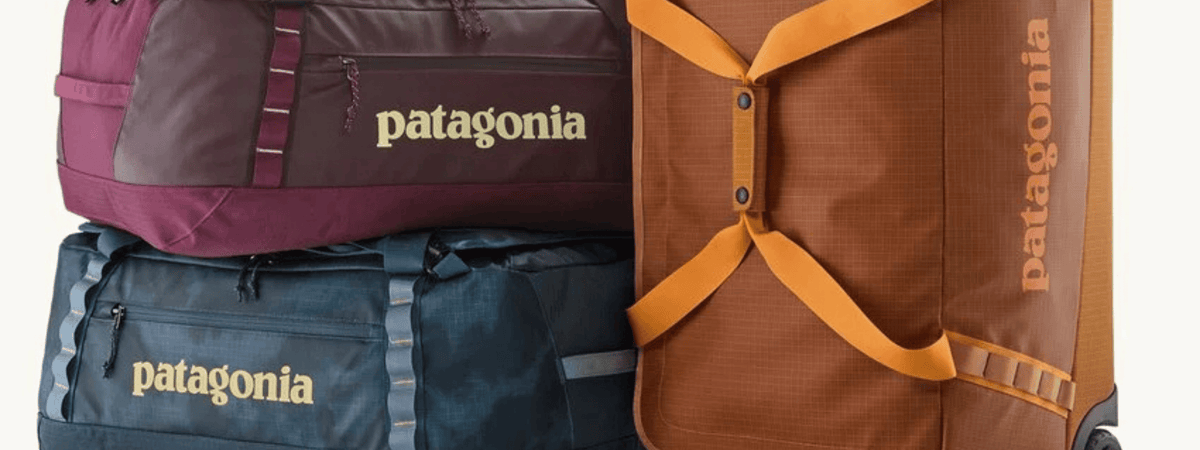
| Patagonia | Black Hole 55L, Black Hole 70L | Rugged, recycled fabric, genuinely versatile, backed by Patagonia's warranty |
| Exped | Tempest 70, Tempest 100 | Large-capacity expedition hauling, tough construction |
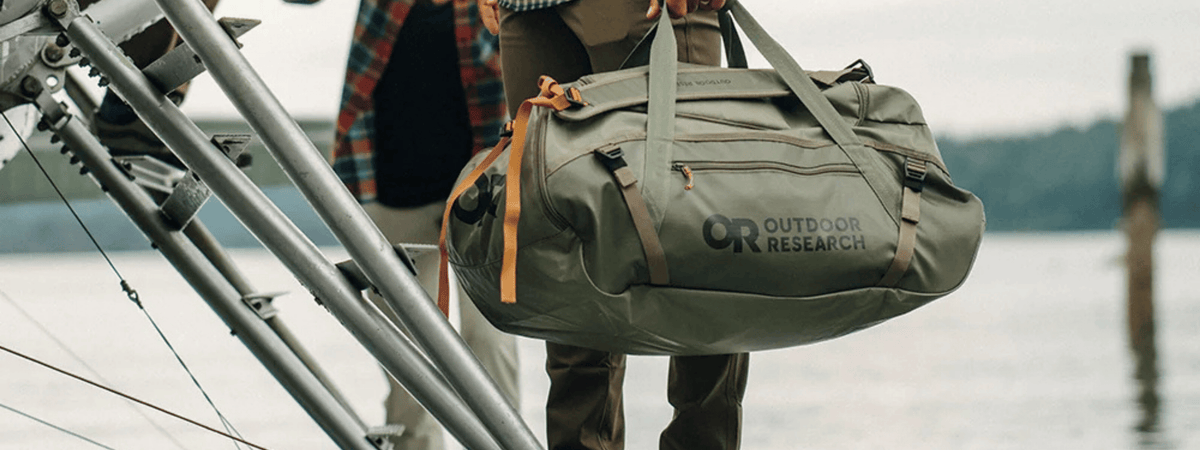
| Outdoor Research | CarryOut 40L, 65L, 80L | Bombproof PU-coated construction, clean/dirty gear separation |
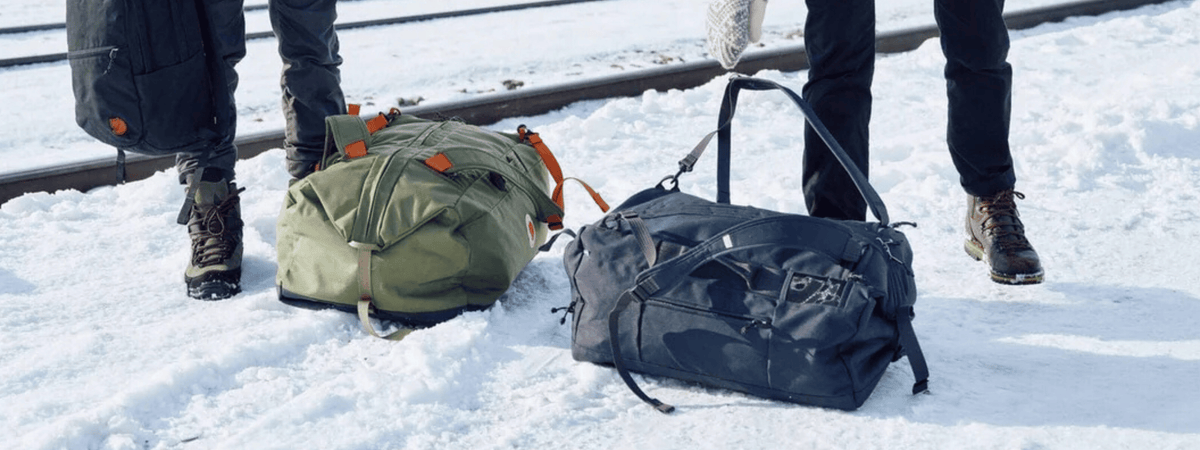
| Fjällräven | Splitpack, Splitpack Large, Vardag Splitpack 45 | Rugged Swedish design, timeless styling, genuine durability |
Choosing by trip type
Heading somewhere genuinely demanding? Our guide on what duffle bag you need for the Kokoda Track covers the specific size and durability considerations that trip demands. Planning something on the bigger end of the scale, a proper expedition or base camp trip? Our expedition duffle bags range covers 70L to 100L gear haulers built for exactly that. And if you're specifically comparing Patagonia's Black Hole sizing, which changed in recent years, we've explained the update in full in Patagonia Black Hole sizing explained.

Why shop with us at PAST Outdoors
We're a family-owned Australian outdoor retailer with a genuine passion for helping people get properly equipped, whether that's for a weekend away or a serious expedition. Our team tests and uses the gear we sell, so when we recommend a duffle bag, it's based on real trips, not just spec sheets. We're proud to stock trusted brands like Patagonia, Exped, Eagle Creek, Outdoor Research, and Fjällräven, and back every purchase with honest advice from people who actually spend time outdoors.
Thousands of travellers, hikers, and campers across Australia have trusted us to kit them out properly, and our customers keep coming back because we get the details right. Browse our full range online today, or reach out to our team for personalised recommendations.
Frequently asked questions
What size duffle bag do I need for a week-long trip?
A 55-65L duffle is generally the sweet spot for a week away, giving you enough room for a full week of clothing and gear without becoming unwieldy to carry.
What does denier actually mean on a duffle bag?
Denier measures the thickness of the fabric's fibres, with higher numbers generally indicating a tougher, more abrasion-resistant material. Most quality outdoor duffles range from 300D to 900D or higher.
Is a duffle bag or a suitcase better for travel?
Duffles are generally lighter, more flexible to pack into tight spaces, and better suited to rougher handling or outdoor use. Suitcases with hard shells offer more structure and protection, better suited to fragile items or frequent flying on rigid schedules.
Do all duffle bags fit as airline carry-on?
No, generally only bags in the 30-40L range meet most airline carry-on size restrictions. Always check your specific airline's dimensions before relying on a duffle as carry-on.
What's the difference between water-resistant and waterproof duffles?
Water-resistant duffles, using coatings like TPU-laminate or PU coating, handle light rain and splashes but aren't designed for submersion. Fully waterproof bags use sealed seams and roll-top closures for genuine protection in wet conditions.

Leave a comment
This site is protected by hCaptcha and the hCaptcha Privacy Policy and Terms of Service apply.