K2 Base Camp Trek: Gear List, Difficulty & What to Expect
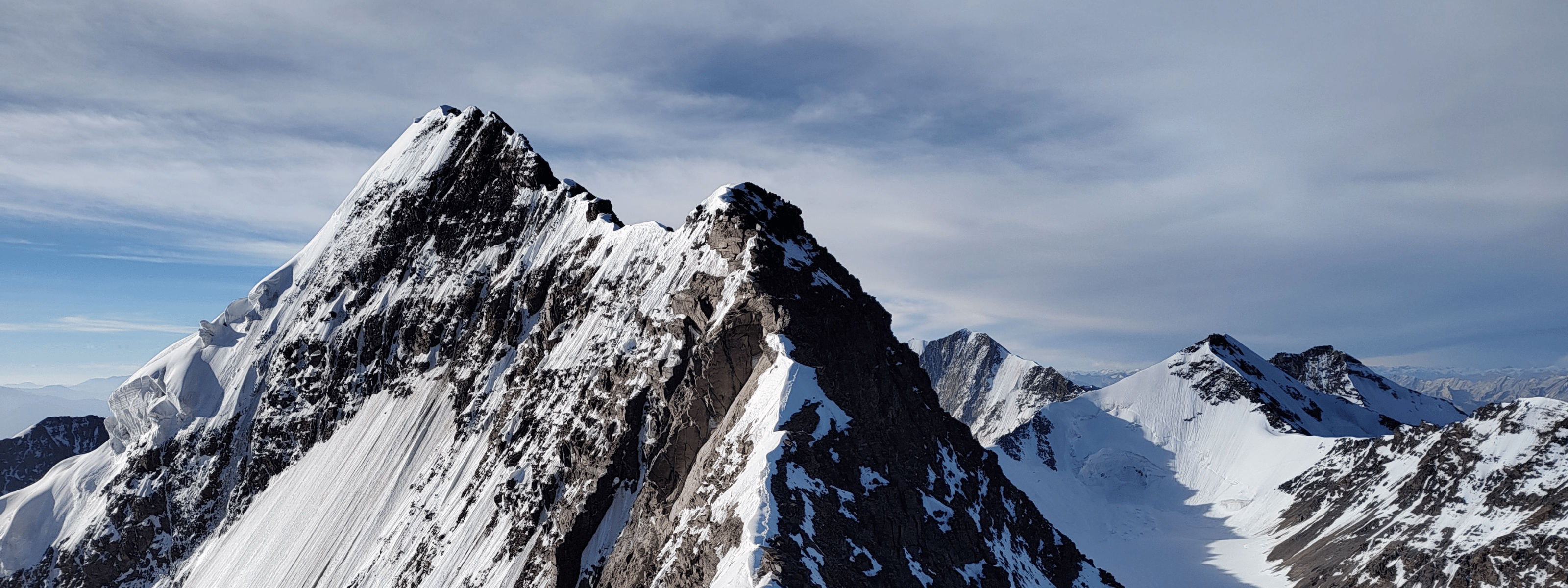
K2. The Savage Mountain. Standing at 8,611 metres, it is the second highest mountain on earth and, by almost every measure, the most technically demanding. The summit belongs to elite mountaineers only — but the trek to K2 base camp is a different story. Each year, a growing number of experienced trekkers make the journey through Pakistan's Karakoram range to stand beneath the mountain and look up at one of the most extraordinary sights on the planet. This guide covers everything you need to know before you go — difficulty, conditions, gear list, and how to prepare properly.

What is the K2 base camp trek?
The K2 base camp trek begins in Skardu, Pakistan, and follows the Baltoro Glacier deep into the heart of the Karakoram. The approach passes beneath a concentration of 8,000-metre peaks that is unmatched anywhere on earth — Broad Peak, Gasherbrum I and II, and the Trango Towers all loom above the route before K2 itself comes into view at Concordia, the meeting point of the Baltoro and Godwin-Austen glaciers.
Base camp sits at approximately 5,000 metres above sea level. The round trip from Skardu covers roughly 200 kilometres and takes between 18 and 25 days depending on acclimatisation stops, pace and weather. This is one of the world's great high-altitude treks — not a bucket-list stroll, but an expedition requiring genuine preparation, the right gear and a deep respect for the environment.
For trekkers who have already explored Australia's best trails and are looking for the next major challenge, K2 base camp represents a significant step up in altitude, duration and remoteness. It's worth understanding exactly what that step involves before you commit.

K2 base camp trek difficulty — what to expect
Physical demands
The K2 base camp trek is graded as strenuous to very demanding. Daily stages typically cover 15 to 25 kilometres on terrain that varies from rough jeep tracks and river crossings to moraine fields, glacial ice and exposed ridgelines. The total elevation gain across the approach is substantial, and the altitude at Concordia and base camp means that acclimatisation is not optional — it is the central challenge of the trek.
Most trekkers spend between 6 and 8 hours walking per day at altitude, carrying a daypack of 10 to 15 kilograms while porters handle the heavier camp equipment. By the time you reach Concordia, you will have been on the trail for around ten days and the altitude will be affecting your appetite, sleep quality and recovery. This is normal — but it is uncomfortable, and it is why fitness preparation starting months before departure is essential.
Altitude and acclimatisation
K2 base camp sits at around 5,000 metres — significantly higher than Everest peak base camp on the Nepal side (5,364 metres) and well above the threshold where altitude sickness becomes a genuine risk for trekkers who ascend too quickly. The standard comparison with Everest peak base camp is apt: both require similar acclimatisation schedules, similar fitness standards and similar respect for how the mountain affects the human body above 4,000 metres.
Ascend slowly. Take rest days seriously. Drink at least three to four litres of water daily. Know the symptoms of acute mountain sickness (AMS), high altitude pulmonary oedema (HAPE) and high altitude cerebral oedema (HACE), and never push through them. Carrying a Garmin InReach or satellite communicator is non-negotiable on a trek of this remoteness — our guide to Garmin InReach models and safety in the outdoors explains the options in detail and why two-way communication capability matters at extreme altitude.
Best time to go
The trekking season runs from late June to early September, with July and August being the most reliable months for settled weather on the Baltoro Glacier. Outside this window, snow and ice conditions on the upper glacier make the approach extremely challenging and potentially dangerous. Even in peak season, expect highly changeable weather — storms can pin you in camp for days at a time, and the Karakoram is known for rapid and dramatic weather shifts.

K2 base camp trek gear list — what to pack
Packing for K2 base camp is a serious exercise. You'll be in the field for 18 to 25 days, operating across a wide temperature range — hot and dusty in the Braldu Valley, bitterly cold on the glacier — with no resupply options beyond your initial kit. Every item needs to earn its place.
Layering system
The Karakoram demands a disciplined layering approach. You need a system that handles everything from 30-degree valley heat to sub-zero nights on the glacier. Our guide to merino base layers, mid layers and hiking raincoats covers the principles in detail, but here is how we'd approach it for K2 base camp:
Base layer. A lightweight merino or synthetic moisture-wicking base layer is the foundation. We stock a full range of men's base layers and thermals built for extended multi-day use in demanding conditions — merino is particularly well suited to high-altitude trekking because it regulates temperature across a wide range and resists odour over multiple days without washing.
Mid layer. A fleece or insulated mid layer for camp and cold morning starts. This is what you'll pull on over your base layer when you're stationary in cold air at altitude.
Insulation layer. A high-quality down or synthetic puffer jacket is essential for evenings at camp above 4,000 metres and for the final stages of the approach to base camp. Temperatures at Concordia and above can drop well below zero overnight, even in summer.
Shell layer. A lightweight, packable waterproof jacket — Gore-Tex or equivalent — is non-negotiable. The Baltoro Glacier is notorious for sudden, intense weather. Your shell goes in your daypack every single day.

Head and extremities
At altitude, keeping your extremities warm is critical for both comfort and safety. Pack a quality insulated beanie, a balaclava for glacier travel and colder nights, and liner gloves plus a heavier insulated outer glove. Our beanies, balaclavas and neck warmers collection covers the options across a range of warmth levels and packability. A broad-brimmed sun hat and quality UV-blocking sunglasses are equally important — glacier glare at altitude causes snow blindness quickly and without warning.
Footwear
Double-layer or expedition-weight hiking boots with full ankle support are the right choice for the Baltoro. You'll be crossing moraine fields, boulder-hopping and traversing icy glacier sections — lightweight trail shoes are not appropriate above the lower valley. Carry a pair of lightweight camp shoes or sandals for evenings.
Safety and navigation
A satellite communicator or personal locator beacon is mandatory for a trek of this remoteness. The Garmin InReach Mini 2 is our recommendation for most trekkers — compact, two-way messaging capable, and compatible with SOS coordination through Garmin's 24/7 emergency response network. Read our Garmin InReach guide before you purchase to understand the subscription options and what each model delivers.
Additional essentials
High-SPF sunscreen (reapply constantly at altitude), lip balm, electrolyte sachets, trekking poles (non-negotiable on moraine terrain), a warm sleeping bag rated to at least -15°C, a headlamp with spare batteries, and a comprehensive first aid kit including altitude medication (consult your GP before departure regarding acetazolamide).
Nutrition planning also matters more than most trekkers expect. At altitude, appetite decreases significantly while caloric demands increase. Pack high-density trail snacks and familiar comfort foods alongside your main meals — this is one area where preparation pays dividends. Browse our full hiking collection for everything from nutrition to shelter and sleep systems suited to high-altitude expeditions.

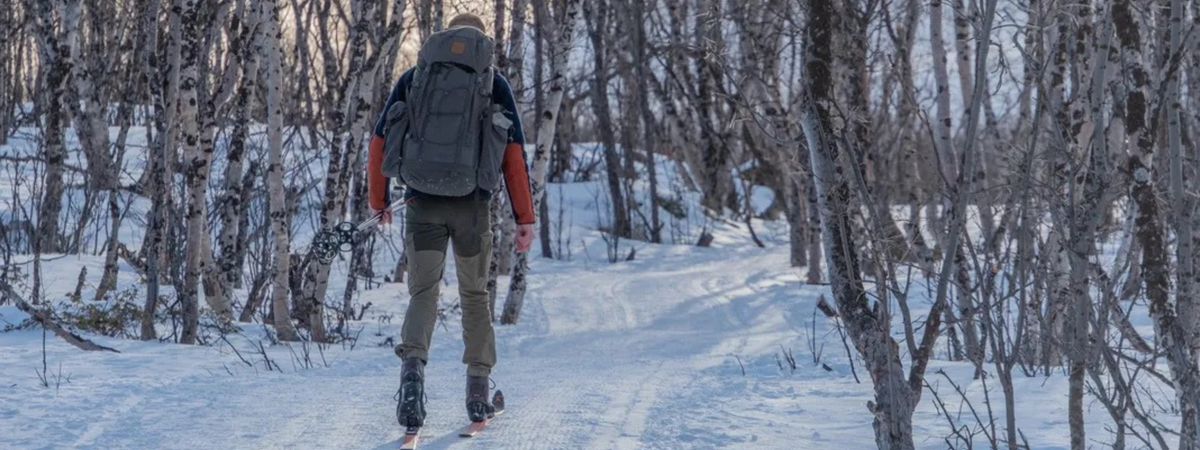
Dave Parker, our CEO at PAST Outdoors on a recent trip to Canterbury Plains, New Zealand
K2 base camp vs Everest peak base camp — which should you do first?
This is a common question, and the honest answer is that both treks are serious undertakings at comparable altitudes. The Nepal Everest base camp trek is generally more accessible — better infrastructure, more trekking lodges, more established rescue networks. K2 base camp is rawer, longer, more remote and significantly less crowded. If you're building toward K2, completing a high-altitude trek like Everest base camp first is a sensible way to understand how your body responds to altitude before committing to the Karakoram.
Gear up with PAST Outdoors
PAST Outdoors is a family-owned Australian retailer trusted by hikers, mountaineers and expedition trekkers across the country. We're rated 4.9 stars from over 2,000 reviews, and our team has first-hand experience in the conditions that demand the gear we stock. Whether you're preparing for K2 base camp, an alpine expedition, or your first serious multi-day trek, we're here to help you choose the right kit with confidence.
Browse our men's base layers and thermals, our beanies, balaclavas and neck warmers collection, and our full hiking collection for everything you need from the ground up — or visit us in-store in Helensburgh, NSW, where the team can help you build a kit list specific to your trip.


Leave a comment
This site is protected by hCaptcha and the hCaptcha Privacy Policy and Terms of Service apply.